Drawing on the experience of twenty years living in the WUI (wildlands-urban interface) in a straw bale house, along with a career building, remodeling, and repairing straw bale homes, Jim Reiland describes how thoughtful design and construction techniques can make buildings more resistant to wildfire, and building occupants more able to handle drought, smoke, power outages, and heat waves while also extending a building’s service life, lowering maintenance needs, and increasing future flexibility.
He’ll describe the most common ignition sources from wildfire, and how building features, landscape management, and community cooperation increase survival odds.
Includes an update on CASBA’s Fire Rebuilding Toolkit, a project to enable more rapid responses to replacing homes destroyed by wildfire.
AIA- CEU
This session explores how natural building strategies, especially straw bale construction, can increase wildfire resilience in the wildland–urban interface. Presenters will share design and construction techniques that reduce ignition risks, improve building durability during climate extremes, and support recovery through resources like CASBA’s Fire Rebuilding Toolkit
Prerequisite Knowledge:
None required.
HSW Justification:
This course addresses Health by improving occupant safety during wildfires, smoke events, and heat waves; Safety by teaching building and landscape strategies that reduce ignition risk and increase structural resilience; and Welfare by promoting long-term durability, lower maintenance, and community preparedness for wildfire-prone areas
Learning Objective 1:
Identify the most common ignition sources from wildfire and explain how design and construction strategies can reduce building vulnerability.
Learning Objective 2:
Evaluate how natural building methods, particularly straw bale construction, enhance resilience to drought, smoke, power outages, and heat waves.
Learning Objective 3:
Apply best practices in landscape management, building features, and community cooperation to improve survival odds in wildfire-prone regions.
Learning Objective 4:
Utilize resources such as CASBA’s Fire Rebuilding Toolkit to support more effective recovery and long-term resilience in wildfire-affected communities.
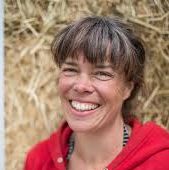
Jim Reiland is a retired contractor who specialized in “mostly natural” buildings and rainwater collection systems. He consulted and worked on over one-hundred straw bale and straw-clay structures, both new construction and remodeling-repair. He’s a longtime California Straw Building Association advisory board member, a principal author and managing editor of CASBA’s book “Straw Bale Building Details: An Illustrated Guide for Design and Construction,” and active with CASBA’s builder education and workshop programs. He consults with straw bale builders, teaches classes on rainwater collection systems design, and is involved with his rural community’s wildfire preparedness and prescribed burn programs. Jim and his wife Joy Rogalla manage a nearby forty-mile trail system, tend a large home-garden and orchard, and steward “10 ½ acres too many” in Southern Oregon.


 Jim Reiland