Dual Keynote: “Beyond Resilience: Opportunities for Healing and Abundance”
Ace McArleton & James Kitchin, Co-Founders of the Biobased Materials Collective
In this forward-looking keynote, Ace McArleton and James Kitchin, co-founders of the Biobased Materials Collective, invite us to reframe our response to crisis—not simply as a fight for survival, but as an opportunity to heal systems, regenerate landscapes, and build abundance.
Ace brings decades of experience in natural building, high-performance design, and cooperative business leadership through New Frameworks, where he works at the intersection of ecological construction, trades education, and social justice. James draws from a global portfolio in low-carbon structural design, from Nepal to Malawi to MASS Design Group, where he leads work in materials research and regenerative practice.
Together, they represent a powerful blend of engineering, architecture, activism, and community-building.
This keynote will explore the role of bio-based materials as a catalyst for systems change—reducing embodied carbon, reviving rural economies, democratizing access to healthy buildings, and placing craft and culture back at the center of construction. We will share the vision where the built environment is no longer a source of harm, but a force for regeneration, equity, and joy.
AIA CEU
This keynote explores how bio-based materials can transform the built environment from a source of harm into a force for regeneration. Drawing on global design, construction, and community-building experience, presenters Ace McArleton and James Kitchin highlight how natural materials reduce embodied carbon, strengthen local economies, democratize healthy housing, and re-center craft and culture in construction. Participants will gain a vision for architecture and building as pathways to resilience, equity, and ecological repair.
Prerequisite Knowledge:
None Required.
HSW Justification:
This course demonstrates how bio-based materials enhance health through non-toxic construction, improve safety with resilient, low-carbon building systems, and support welfare by reducing embodied carbon, strengthening local economies, and ensuring equitable access to healthy environments.
Learning Objective 1:
Identify how bio-based materials improve indoor environmental quality and occupant well-being by reducing toxins and pollutants in buildings.
Learning Objective 2:
Evaluate how natural, low-carbon construction methods enhance building resilience and performance in the face of climate and environmental challenges
Learning Objective 3:
Explain how regenerative material practices reduce embodied carbon, support local economies, and create more equitable access to healthy housing.
Learning Objective 4:
Understand how integrating craft, culture, and community values into construction can transform the built environment into a force for ecological and social regeneration.
Ace McArleton is Co-Founder, Co-CEO and Director of Vision & Strategy at New Frameworks. Ace founded New Frameworks in 2006 to offer design/build services that blend natural materials and methods with high-performance design, to move the building industry toward climate regeneration and social justice. Ace is also co-founder and co-organizer of the Seed Program and Seed Collaborative, to democratically scale the use of structural straw panels in buildings; the Bio-Based Materials Collective, to advance the implementation of bio-based materials in the built environment; of the NESEA Diversity Caucus and Anti-Racism Action Group, to place social justice at the heart of the building industry; was a longtime instructor & board member at Yestermorrow Design/Build School and devoted to trades education for all; is co-author of The Natural Building Companion; and led New Frameworks’ conversion to a worker cooperative in 2016. Ace is passionate about finding practical, regional solutions to build healthy, just communities now and into the future.
James Kitchin is the co-founder of the Biobased Materials Collective and joined Boston-based architecture firm MASS Group as an Engineers Without Borders UK Fellow in 2017 and would later lead the structural design of The Ellen DeGeneres Campus of the Dian Fossey Gorilla Fund. He has expertise in designing low carbon buildings, seismic engineering and designing with non-conventional materials.
James has a background in structural and civil engineering and deep expertise in designing with healthy, natural, and non-conventional materials. He has also led research and policy change around building materials and embodied carbon. James strives to minimise the footprint of the built environment through intimate knowledge of place and process, and to maximize the maker’s handprint through collaboration. As co-lead of the Performance & Provenance department at MASS, he is committed to imagining, advocating and implementing regenerative practices.
James graduated from the University of Sheffield, and has worked for AECOM in the UK as a Structural Engineering and Project Manager. He helped design schools for UNICEF in Malawi, and volunteered as an Engineer in Nepal after the Gorkha earthquake. James is also a Chartered Member of the Institution of Civil Engineers.


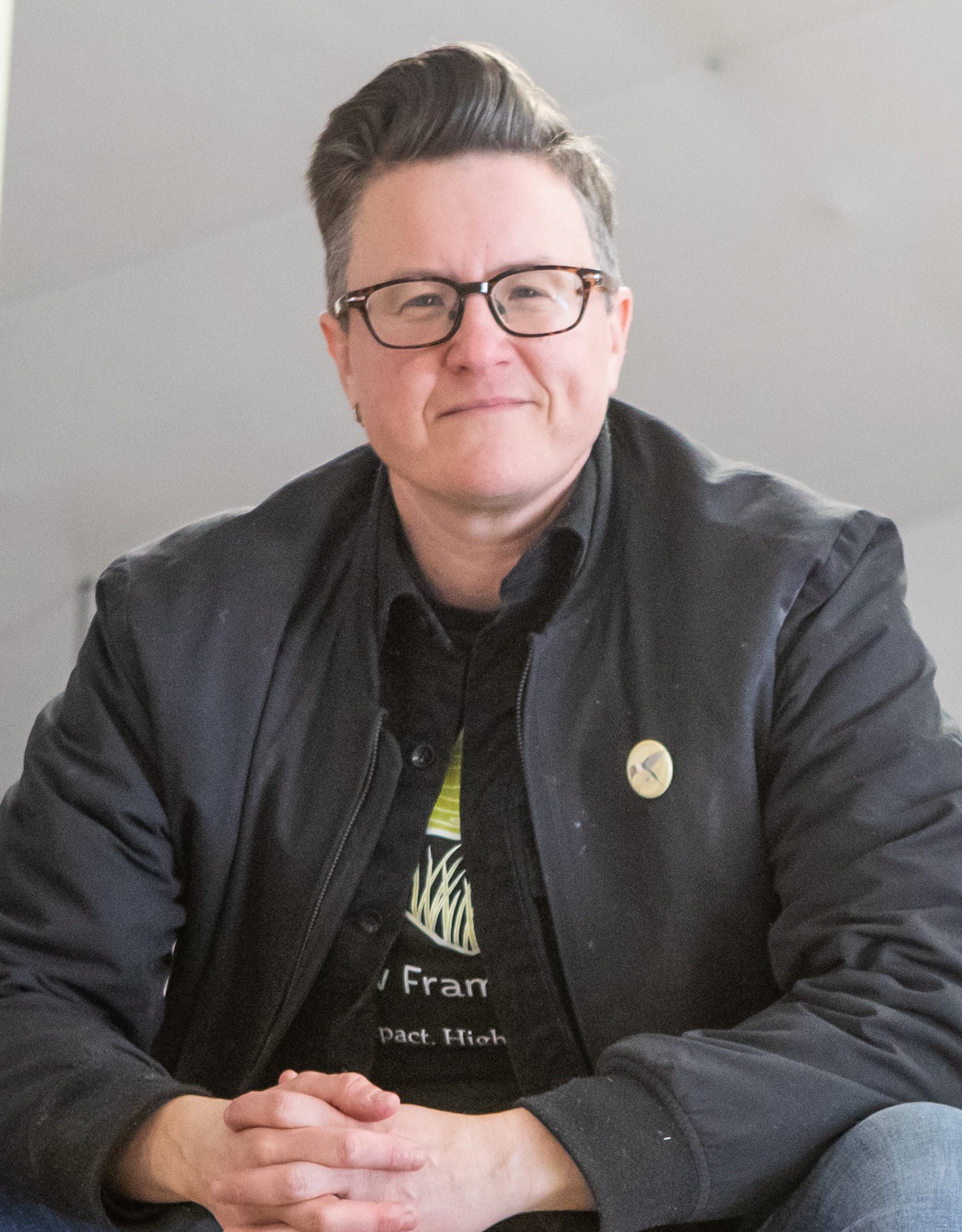 Ace McArleton
 James Kichin